Trevor Lawrence: Q-Runs
Q Runs
You all remember the Wildcat formation? You know, the modern age single-wing set that Arkansas and a handful of other teams used to find an edge on the ground about a decade-and-a-half ago. Part of the reason why something as simple as direct snapping to a pair of potent ball carriers in the backfield was able to be so successful is the fact it allowed these offenses to really play 11-on-11. Consider when a QB hands off the ball, he then is rather useless to the outcome of a play. Rarely do they lower their shoulder for a block or get their jersey dirty. And generally speaking, most quarterbacks are far less effective runners in the open field compared to running backs or wide receivers.
While Read Options have allowed more mobile quarterbacks find more value in modern offenses, some offenses have exploited their situations even further. With QB designed runs out of spread formations, offenses are by design stretching defenses to their limits and able to play 11-on-11 like the single-wing or Wildcat. A select few QBs have the ability to truly carry the load on the ground and make special plays with their air. But these offenses have a succinct advantage to keep their unit afloat if one aspect is taken away by the defense.
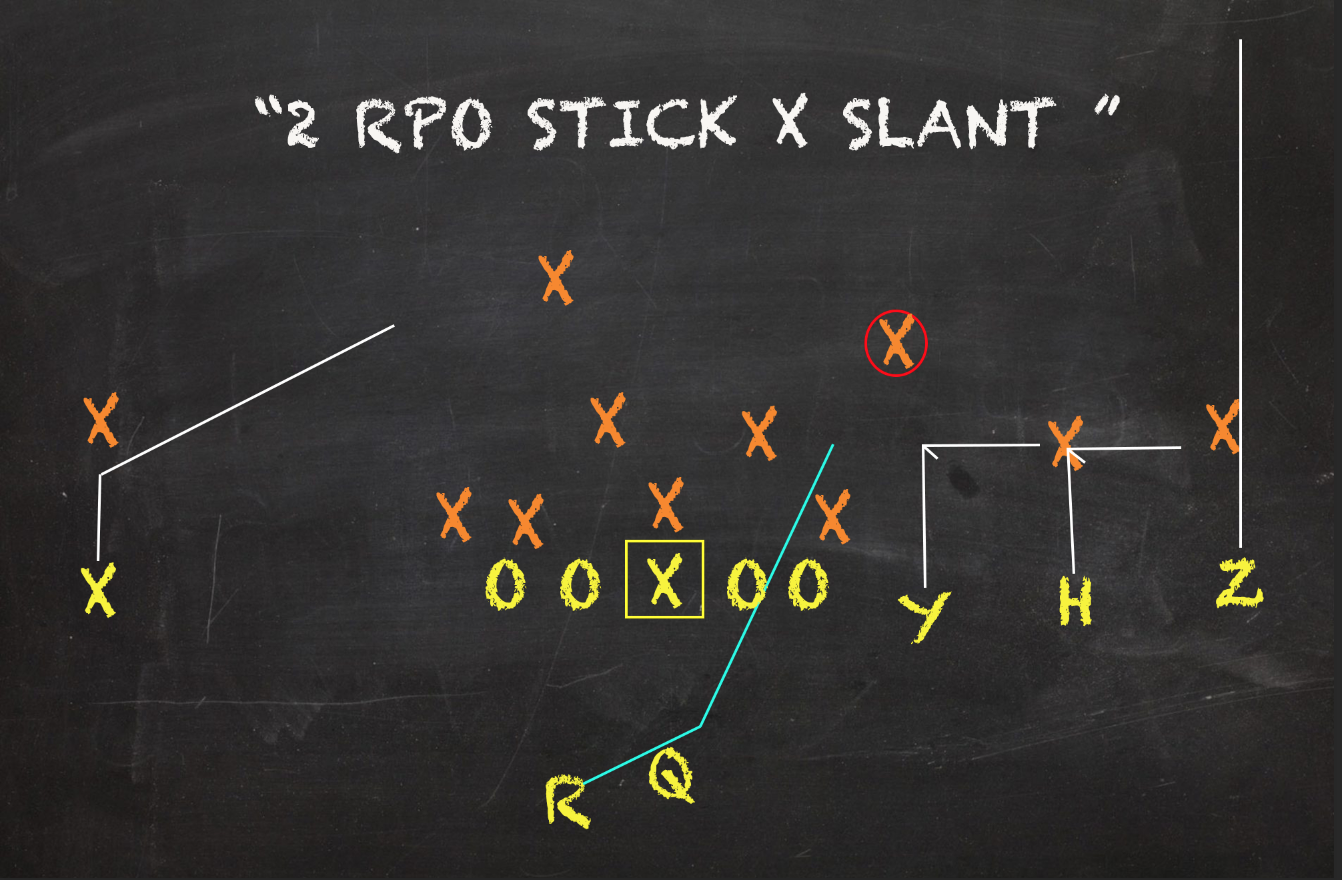
Lawrence as a runner has been the secret sauce for this offense against its better opponents. In the five game sample, he had 28 designed rushing attempts. Lawrence had 12 alone against the Buckeyes in the CFP Semifinal. TLaw's chances on the ground in these games if averaged out over the course of the season would rank 1st in Rushing Success Rate (64.3%), 4th in Explosive Run Rate (21.4%), 4th in First Down+Touchdown Rate (35.7%), 1st in Rushing Touchdown Rate (10.1%) and only trail Paul Hornung Award Winner Lynn Bowden in Yards/Carry (7.86) within the SEC. This is where I will step in and point out that Lawrence has averaged more per designed carry than per dropback versus the meat of Clemson's schedule. All the while, he has only had one negative run that was a designed carries in the five game sample.
LSU has to treat Trevor Lawrence like one of these unicorns. Above, I already mentioned how dynamic he has been in the open field on his carries. But in the five games I charted, Lawrence only had eight reps of primary Q-Run and six of them were against the Buckeyes. All in all, he's gained 119 yards on a 100% Success and with 75% of those runs resulting in either a first down or a score when he is the designed runner without a read.
Clemson seldom goes to the Q-Draw game. When they run these plays, they often attached RPOs or flair motions by their backs. The only times over the five games I scouted Lawrence tucked and ran the draw were the three reps against Ohio State. The other five tries were Q-Counter wrinkles. Three of the five Q-Counters had RPOs attached for eye candy. Clemson has run these across all downs and all spots of the field.
Before their defense woke up in Week 14, many questioned LSU's ability to stop the run and deal with athletic quarterbacks. Even going into last week, a few dissenters were adamant Jalen Hurts' would have his way against Dave Aranda's unit. It looks like the Tigers have shaken off the rust and have their eyes set on the prize. Already a defense very good at disrupting this year with Havoc Plays, LSU has looked as good as any defense over their last 3 games.
They prevented Oklahoma to establish their offense and completely jolted the Sooners' gameplan. With Oklahoma playing comeback essentially from the middle of the 1st Quarter, Q-runs were never a factor. So let's take a look at what the Bayou Bengals allowed versus the likes of Florida, Ole Miss and Texas A&M - offenses that have Q-runs apart of their everyday attack.
Q-Designed Runs: Counters, Draws, Stretches, Q Split Zone, Q Base TLaw vs. TAMU, UNC, SCar, UVA, Ohio St. LSU vs. Florida, Ole Miss, TAMU | Yards | Success Rate | First Down+TD Rate |
| Trevor Lawrence: Counters/Draws | 119 | 100% | 75% |
| Vs. LSU: Counters/Draws | 31 | 33% | 22% |
| Vs. LSU: Stretches/Split Zone/Base | 73 | 66.7% | 44.% |
| Vs. LSU OVERALL | 104 | 50% | 33.3% |
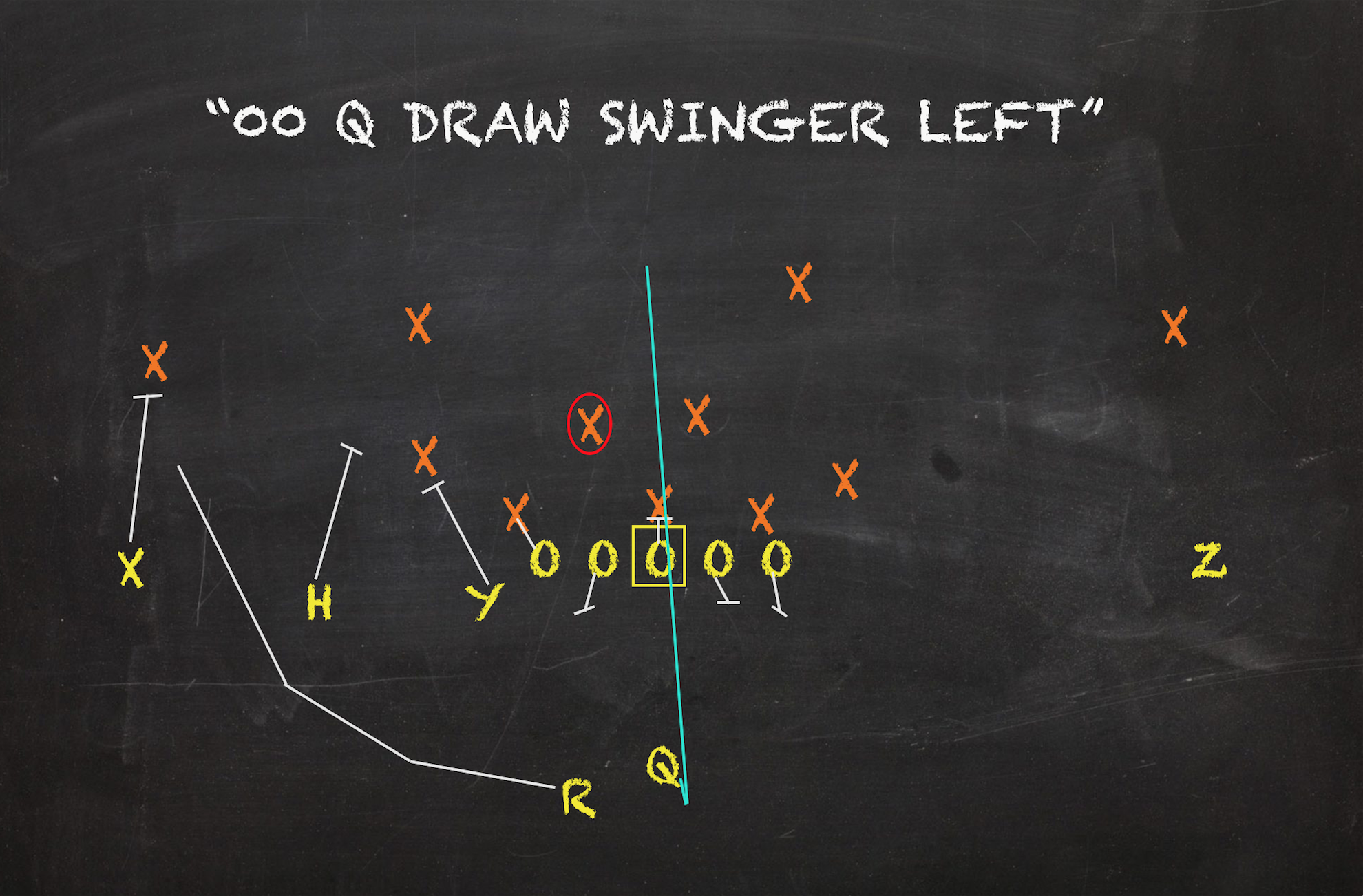
When looking at how LSU has defended Clemson's two go-to Q-runs, they have done very well. The three Q-Draws, which all had RPO tags, were held to a total of seven yards with none being successful. Half of the Q-Counters have met situational goals even though the Tigers held this look to 4.0 yards/attempt in this sample. Together, LSU limited those two looks to a 33% Success Rate and 31 yards on ten chances.
LSU was far worse stopping plays where they were vulnerable on the edge. Q-Stretches - or outside zones - totaled 68 yards on a 71% Success Rate. These are downhill and deliberate carries towards the end of the formation. LSU on the year was a below average run tackling team; 27.3% of tackles failed to bring down ball carriers in SEC play. With more space on the edge, opponents were able to take advantage of LSU on the perimeter by playing physically.
While Clemson has seemingly been okay with Counter and Draws paired with a healthy read scheme in order to get Lawrence involved in the run game, it will be interesting to see if Dabo Swinney gets his 6'6 slinger on the edge of LSU's defense or if he is confident his men can win in a phone booth. Lawrence in the open field is dangerous. With LSU's sloppy tackling, it's not out of the question to see the Tigers go all-in on TLaw taking it LSU's defense and make them bring him down. Of course, exposing your passer to extra dings could quickly backfire.
Lawrence as a designed runner is flat out special. Whether from Read Options or Q-Runs, he will be an X-factor in the final. His passing was inadequate and his team would've lost hadn't it been for his exceptional ability to gallop on the gridiron in the semifinal. Still, he found a way to win. It's a hard enough task to stifle him through the air, but LSU will certainly have to have a plan to not let Sunshine rain on their parade.